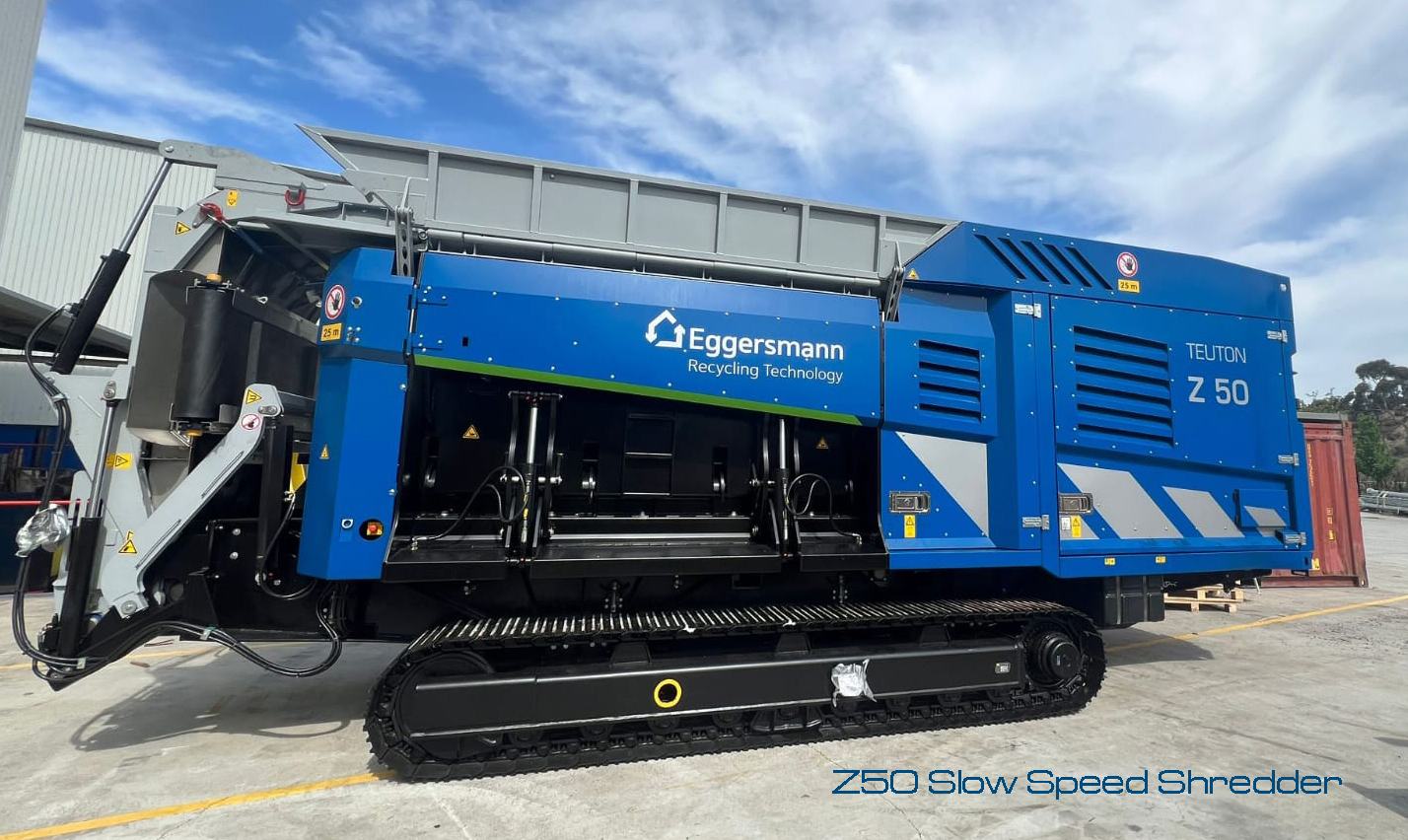
Where the Z50 Goes to Work

From mine sites to mattress stockpiles — find your waste stream below.

Sector

Mining

Mine site landfills are often short-lived and lack dedicated compaction equipment used during lifts — meaning they get the least effective compaction of any waste stream. Because they’re not compacting their waste, mine sites have the most to gain from pre-shredding.

  • Handles bulky, mixed materials mine sites generate
  • Extends limited landfill airspace without dedicated compaction gear
  • Onsite processing — no need to freight waste offsite

Sector
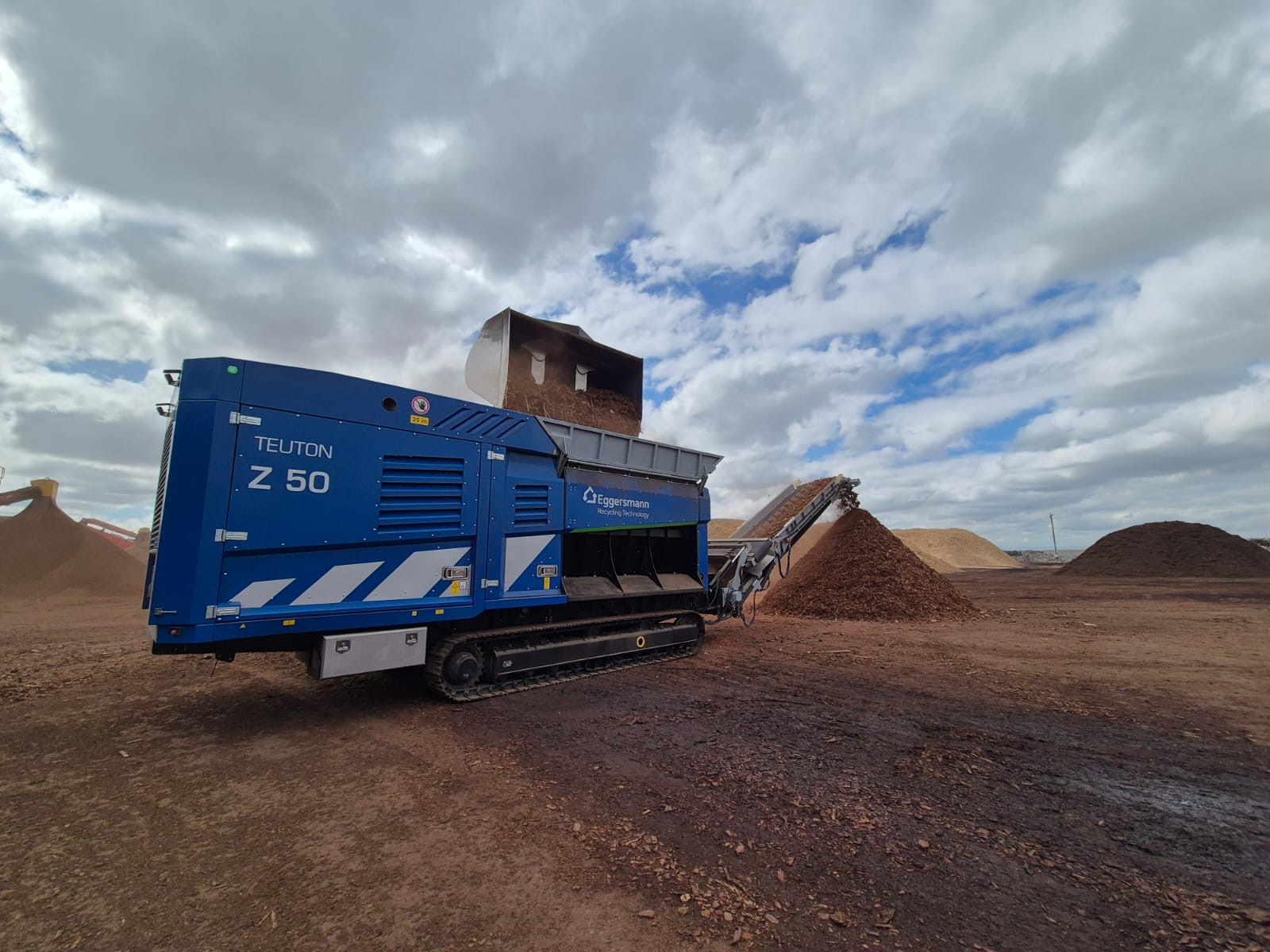
Landfills

Reduce the volume of bulky goods — mattresses, IBCs, blue drums and more — before they ever reach the tip face, and process green waste and timber faster than a high-speed grinder.

  • Volume reduction for bulky, hard-to-compact waste
  • More efficient green waste and timber processing than high-speed grinders
  • Cleaner output via automatic ferrous metal separation

Sector

Organics Facilities

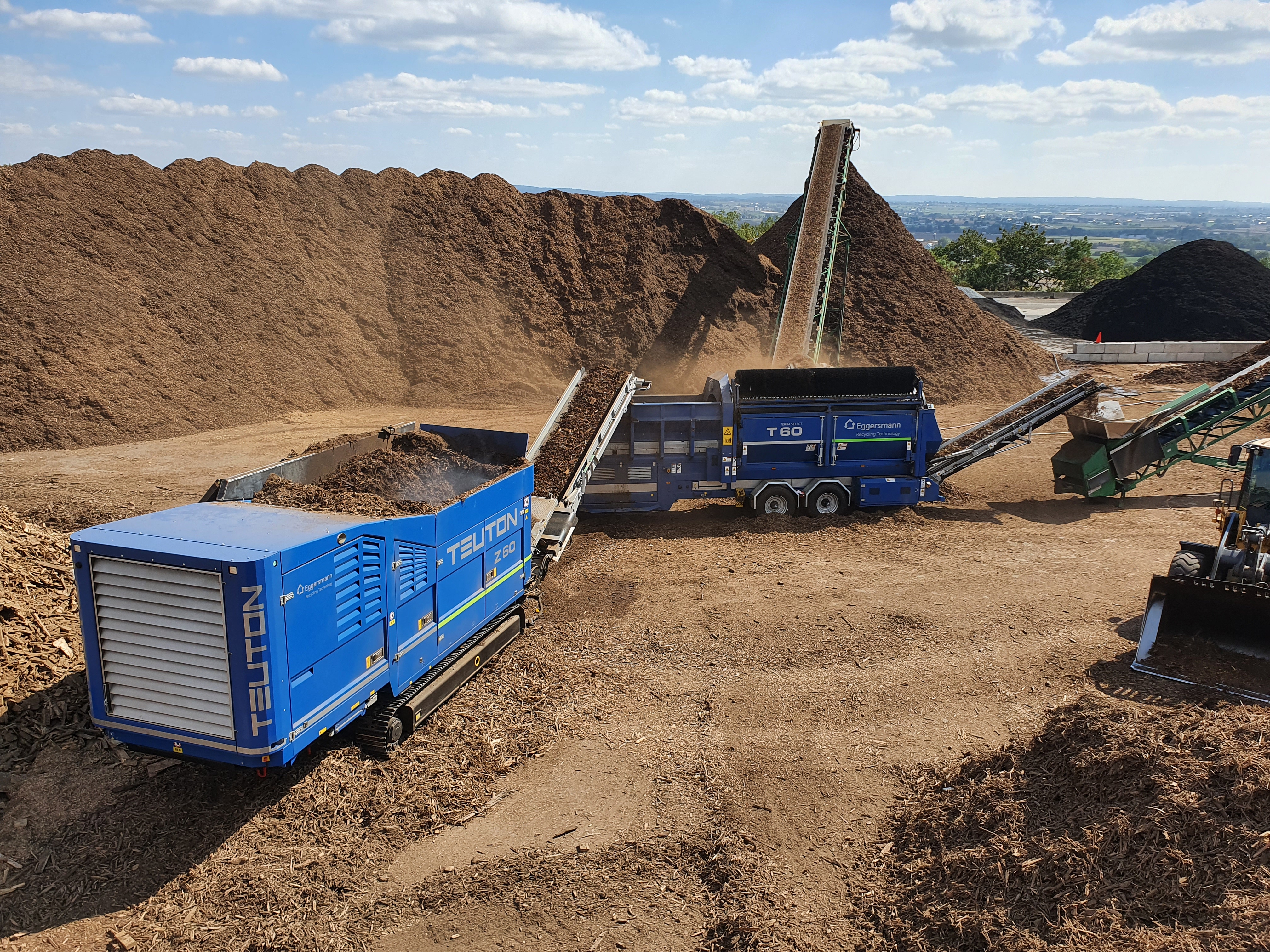
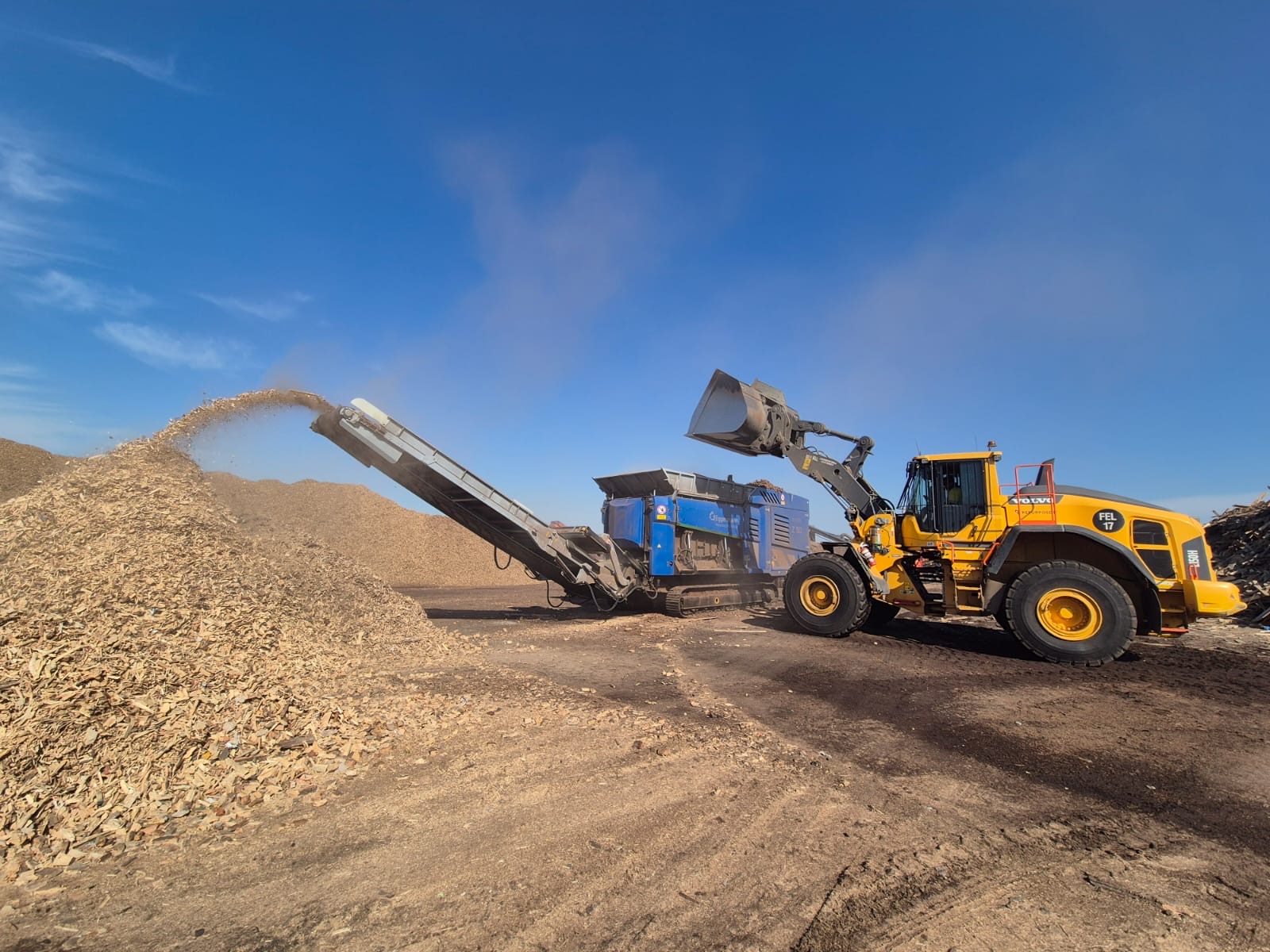
Process green waste and stockpiles faster than a high-speed grinder, with a fraction of the fuel burn, and downsize large stockpiles before transport to an organics facility.

  • Lower fuel burn than high-speed grinding
  • Prepares material for composting (FOGO/green waste, down to 80mm)
  • Downsizes stockpiles prior to transport

Sector

Land Clearing

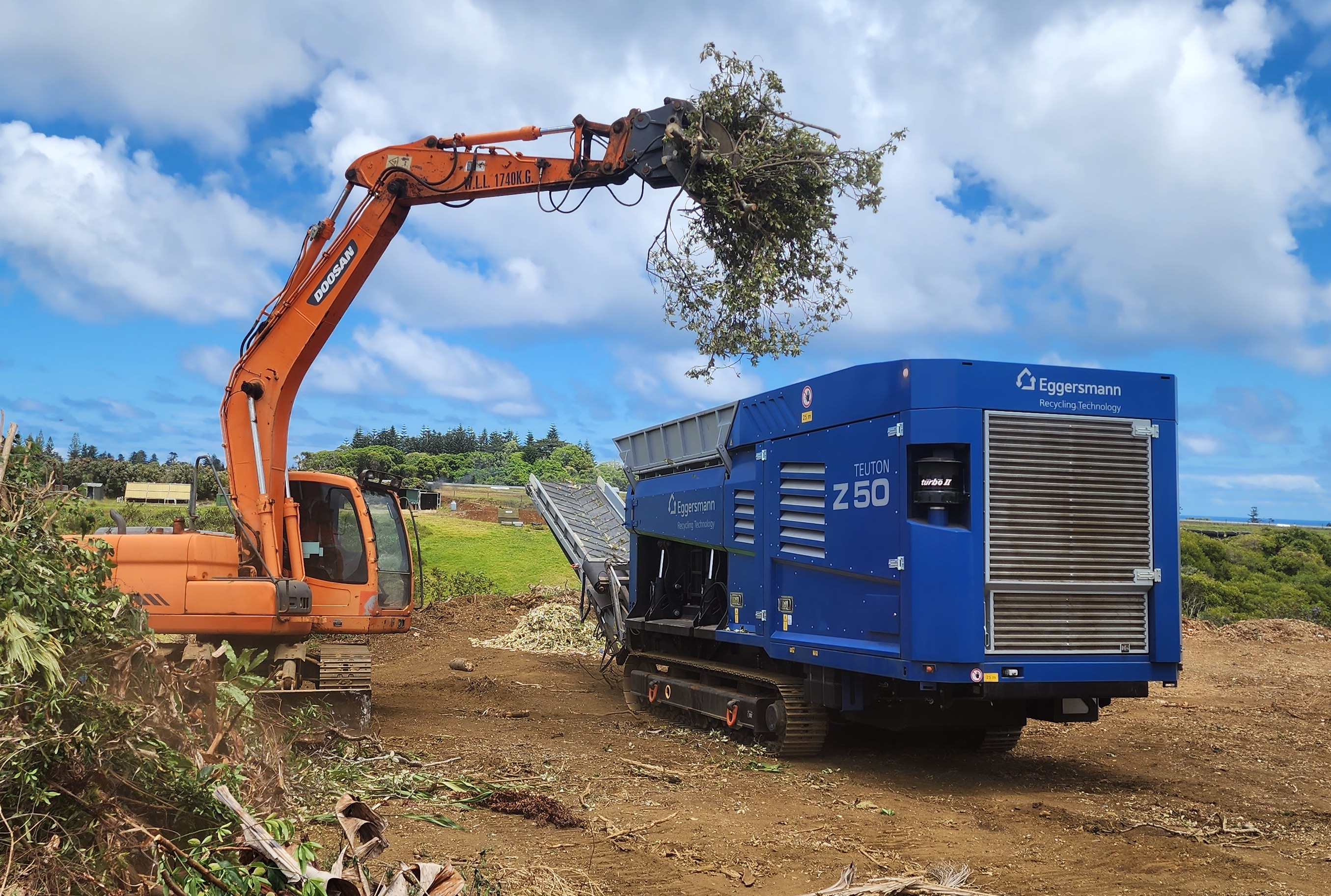
Process green waste more efficiently than high-speed grinders, and handle contaminated feedstock — stumps, roots, mixed debris — that would destroy a standard grinder.

  • Handles contaminated feedstock other grinders can't
  • Efficient green waste processing
  • Tolerant of stumps, roots and mixed debris

Material

Green Waste & Land Clearing Processing

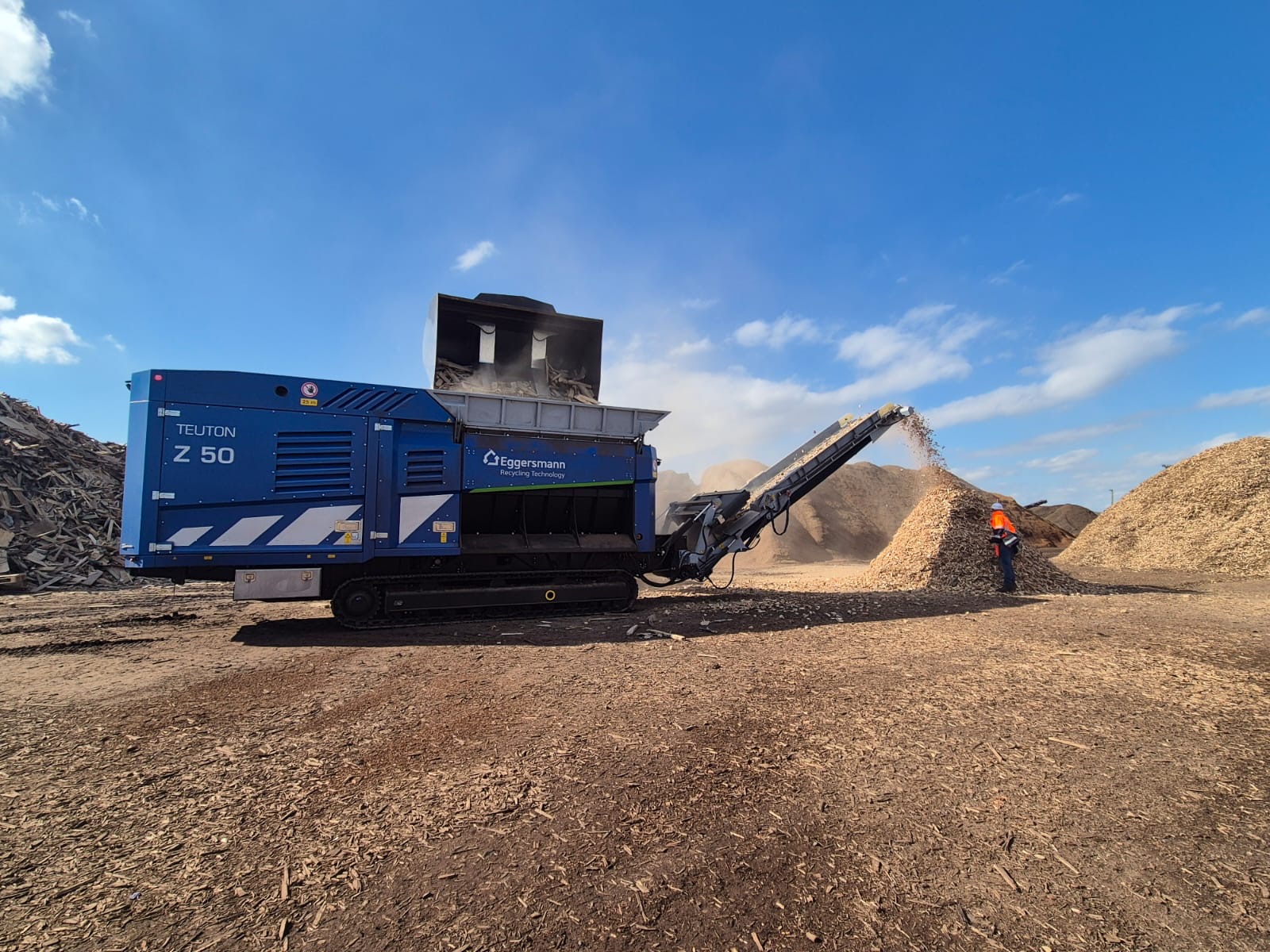
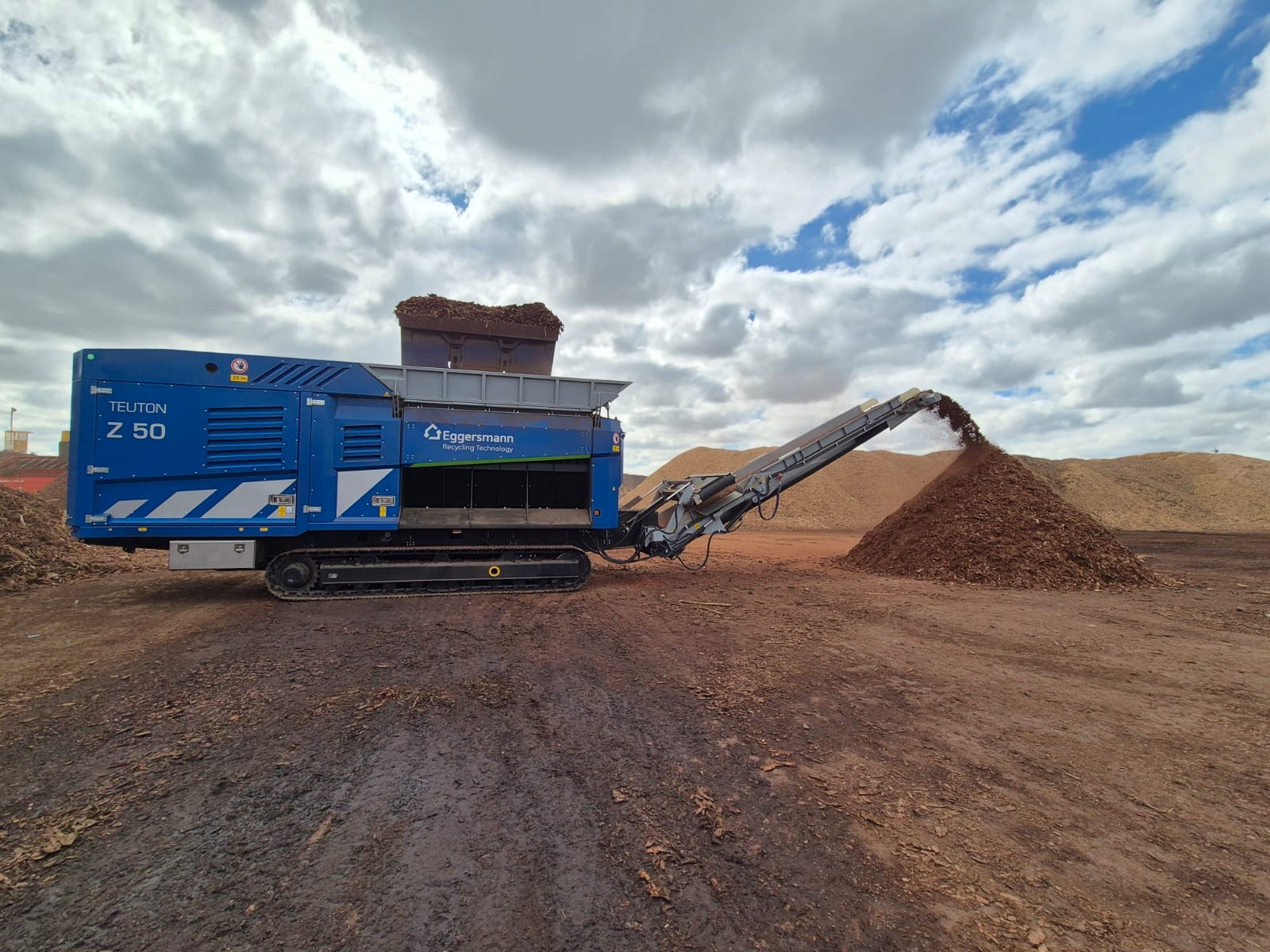
The Z50’s screen basket arrangement produces a much smaller size fraction than typical single-drum slow-speed shredders — close to what a high-speed grinder achieves, but with far less fuel burn and the ability to process a wider range of materials.

  • Processes to <80mm for further screening and finished product
  • Bark down to 80mm
  • FOGO/green waste prepared for composting

<80mm Final particle size

Material

Timber Waste

Handles timber mats, construction mats and railway sleepers (including creosote-treated) — dense, reinforced material that’s no match for the Z50’s high torque. Ferrous metal is separated by the overband magnet for a cleaner wood output.

  • Reduces mixed wood waste volume by up to 50%+
  • Tolerant of nails, bolts and embedded concrete
  • Output reusable as mulch, compost bulking agent or biomass feedstock

50%+ Volume reduction

Material

Tyre Recycling

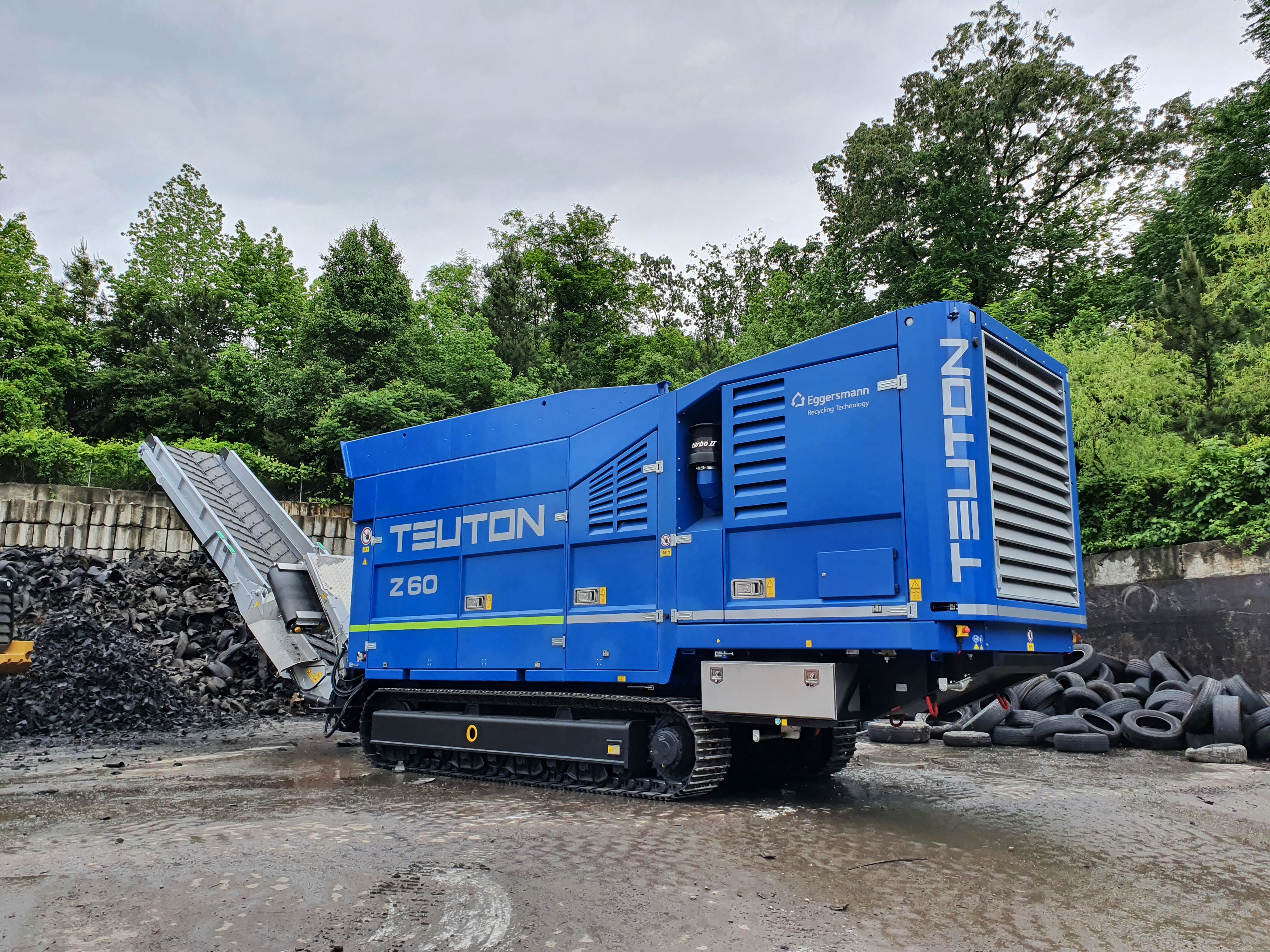
Onsite processing of tyre stockpiles to a final size of 50mm, 80mm or 150mm. Whole tyres are expensive to transport — most of the load is wasted airspace — so shredding on-site before transport cuts freight costs by up to 75%.

  • Up to 4x more material per load
  • Up to 75% lower transport costs
  • Recycling rate for end-of-life tyres sits at just 13% nationally (TSA, 2023) — a market gap this closes

75% Lower transport costs

Material

Mattress Recycling

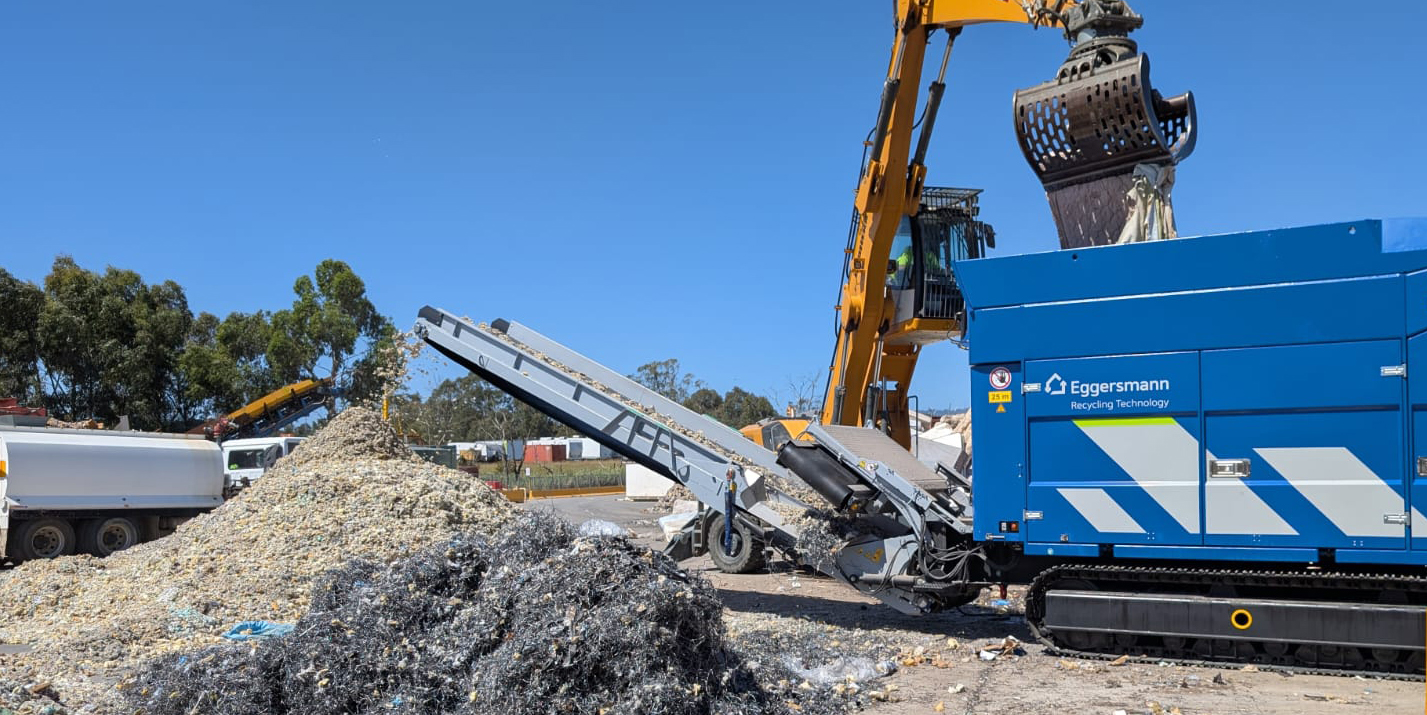
Around 1.8 million mattresses — roughly 54,000 tonnes — go to landfill in Australia every year, taking up valuable space and releasing toxins as they break down. Onsite shredding recovers clean steel for resale into local manufacturing.

  • Recovers saleable clean steel (ferrous and non-ferrous)
  • Diverts bulky items from landfill
  • Supports circular economy resource recovery

1.8M Mattresses landfilled in Australia each year

Material

Conveyor Belt Recycling

Conveyor belt reels can weigh up to 60 tonnes, making transport to offsite recycling facilities cost-prohibitive. Onsite shredding makes transport and handling viable — to onshore recycling facilities or verified offshore end markets.

  • Avoids the cost of transporting whole 60-tonne reels
  • Australia generates an estimated 60,000–85,000 tonnes of waste conveyor belt a year, almost all landfilled or buried on-site (TSA, 2023)
  • No regulatory tracking requirement currently exists in Australia — an emerging opportunity for responsible operators

60–85K t Waste conveyor belt generated in Australia annually

Material

Cyclone & Disaster Recovery

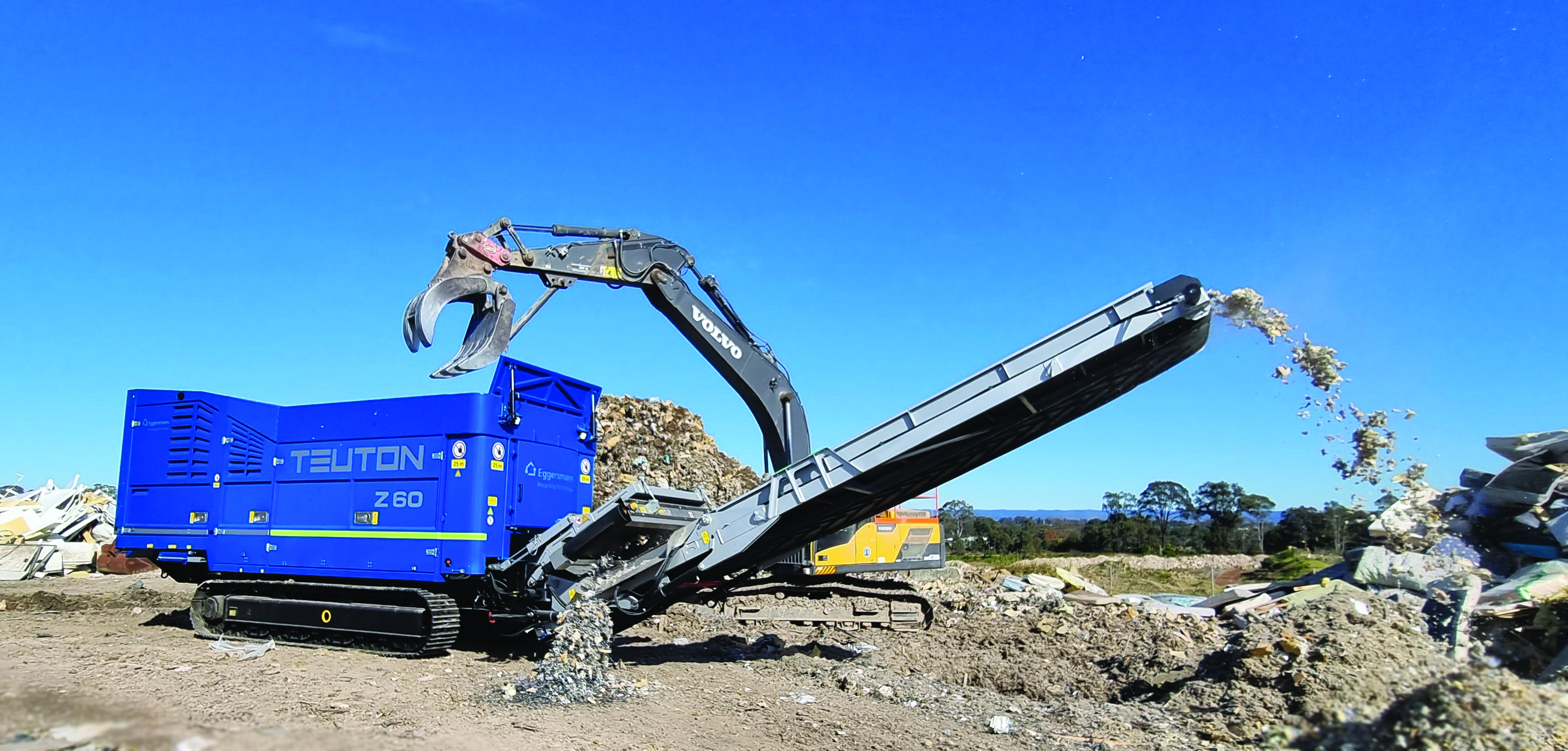
Storm and cyclone debris is a complex mix — structural timber, roofing, furniture, flooring, carpet — often contaminated with metal. High-speed grinders struggle with that mix; slow-speed shredders handle it. Mobile deployment means processing can start on-site straight after a disaster.

  • Reduces disaster waste volume by up to 80%
  • Handles mixed, contaminated debris high-speed grinders can't
  • Mobile — deployed on-site when it's needed most

80% Disaster waste volume reduction

Material

Other Waste Streams

IBCs, blue plastic drums and HDPE are processed with metal contaminants automatically separated by the overband magnet. Beyond that, the Z50 is a genuine all-rounder — green waste, waste wood, roots, commercial and bulky waste, organic waste, light packaging and plastic, cans and carpets.

  • Processes both outer steel cages and inner HDPE bladders on IBCs
  • Automatic metal/plastic separation
  • Broad material tolerance beyond the categories above

Not Sure Where You Fit?

Get in touch — we'll work out whether the Z50 suits your waste stream.